Ten years ago a lab-grown diamond cost almost as much as a mined one. Today the gap is enormous. On October 14, 2026, the average asking price for a one-carat lab-grown diamond was about $502, compared with about $3,820 for a natural one, according to StoneAlgo figures cited by Draco Diamond. At two carats and up, the difference gets even bigger.
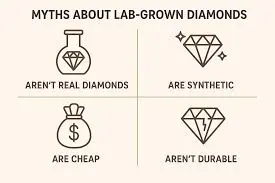
That price gap is the main reason lab-grown stones now fill engagement ring cases. They are real diamonds, made of the same carbon crystal as mined ones, and most people can’t tell them apart without lab equipment. What they don’t have is rarity, which matters for resale. This guide covers how they’re made, what they cost, how to read a certificate and where to buy without overpaying.
What a lab-grown diamond is
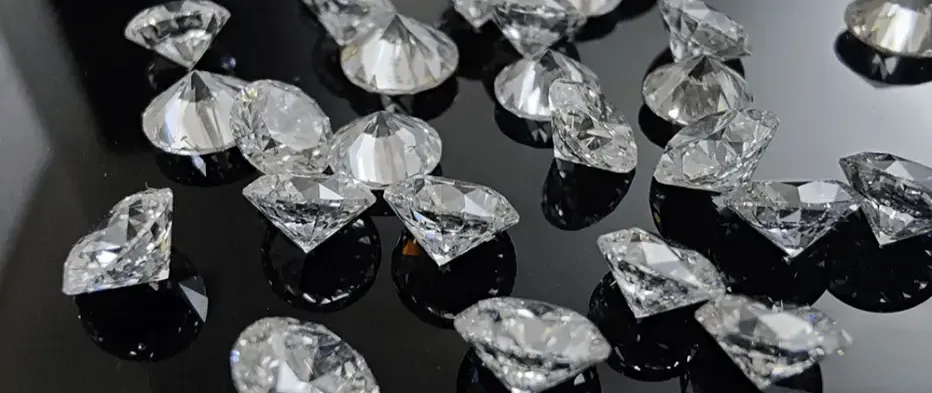
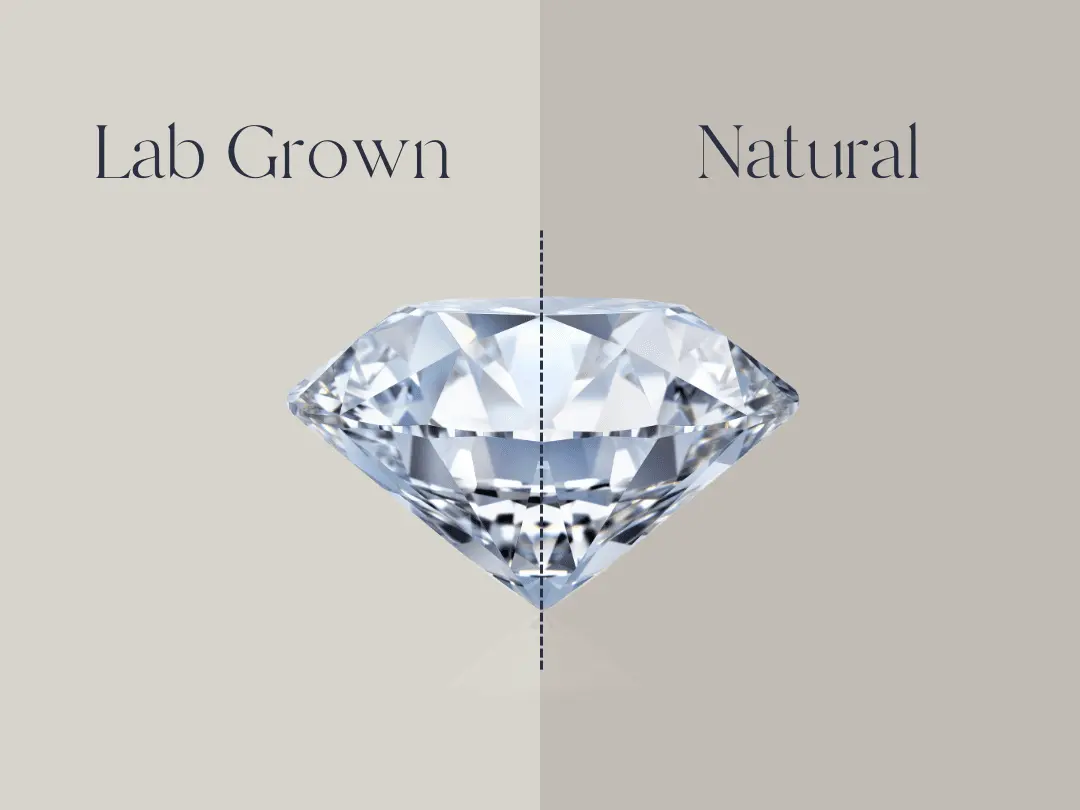
A lab-grown diamond is carbon arranged in the same cubic crystal structure as a mined diamond. It has the same hardness (10 on the Mohs scale), the same refractive index and the same sparkle. It is not a simulant. Cubic zirconia and moissanite only look like diamonds; a lab-grown diamond is one.
US rules reflect that. The FTC’s guidance on diamond advertising says sellers can call these stones diamonds as long as they clearly disclose that they aren’t mined, using words like “laboratory-grown,” “laboratory-created” or “[manufacturer name]-created” right before the word diamond. If a listing just says “diamond” and the price looks too good, ask.
How they’re made
There are two methods, and both start with a thin diamond “seed.”
HPHT (high pressure, high temperature) recreates conditions deep in the earth. The seed sits in carbon under extreme pressure and heat until new diamond crystallizes around it. General Electric produced the first reproducible lab diamonds this way in 1954, though for decades they were mostly small industrial stones.
CVD (chemical vapor deposition) places the seed in a vacuum chamber filled with carbon-rich gas. Energy breaks the gas apart and carbon atoms settle on the seed, building the crystal layer by layer over several weeks. Many CVD stones get an after-growth treatment to improve color.
Neither method is better by default. What matters is the finished stone’s cut, color and clarity, which is why the certificate matters.
Lab-grown diamond prices in 2026
| Size | Lab-grown average | Natural average | Lab-grown share of natural price |
|---|---|---|---|
| 1 carat | $502 | $3,820 | 13% |
| 2 carats | $1,024 | $17,338 | 6% |
| 3 carats | $1,604 | $41,016 | 4% |
| 5 carats | $2,121 | $117,776 | 2% |
Average asking prices on October 14, 2026, from StoneAlgo data published by Draco Diamond. Your price will depend on cut, color, clarity and setting.
Two trends are worth knowing. Lab-grown prices are still falling, down about 20% at retail in the three months to mid-October 2026. Natural prices fell hard from 2022 to mid-2025 and have recently leveled off; CNBC reported in September 2026 that a one-carat natural stone averaged $3,898, roughly half its 2021 level.
Lab-grown vs natural vs moissanite vs cubic zirconia
| Lab-grown diamond | Natural diamond | Moissanite | Cubic zirconia | |
|---|---|---|---|---|
| What it is | Real diamond, made above ground | Real diamond, mined | Silicon carbide, lab-made | Zirconium oxide, lab-made |
| Hardness (Mohs) | 10 | 10 | About 9.25 | About 8 to 8.5 |
| Look | Identical to natural | Classic diamond | More rainbow sparkle | Bright at first, can cloud and scratch |
| Typical 1 ct stone cost | Hundreds of dollars | Thousands of dollars | Low hundreds | Under $50 |
| Resale value | Very low | Some, below retail | Very low | None |
If you want a real diamond for daily wear at the lowest price, lab-grown is the obvious choice. If you want the stone itself to hold value, or the story of something formed underground matters to you, natural is still the option.
Pros and cons of lab-grown diamonds
Pros
- A real diamond for a fraction of the natural price
- Same hardness and sparkle, ideal for everyday rings
- Larger or better-graded stones within the same budget
- Traceable origin, with no mining involved
Cons
- Very little resale value
- Prices keep falling, so today’s stone will be worth less next year
- Some people still see them as “less special” than mined stones
- Environmental claims depend on the energy used to grow them
How to read the certificate
Most lab-grown diamonds sold in the US come with a report from IGI, which grades them with the familiar 4Cs. GIA changed its approach on October 1, 2025: it no longer gives lab-grown stones full color and clarity grades and instead labels them “Premium” or “Standard,” according to GIA’s announcement. Stones below Standard get no assessment.
Whichever lab, check three things: the report says laboratory-grown, the report number is inscribed on the stone’s girdle, and the details on the report match the listing. For rounds, prioritize cut grade over everything else, then drop color and clarity a grade or two to save money. Most people can’t see the difference between a G and an E color once the stone is set.
Where to buy, and where Shop LC fits
Big online jewelers such as Brilliant Earth, Blue Nile and James Allen sell loose certified lab-grown stones you can pick one by one, which suits engagement ring shoppers who want to compare dozens of options.
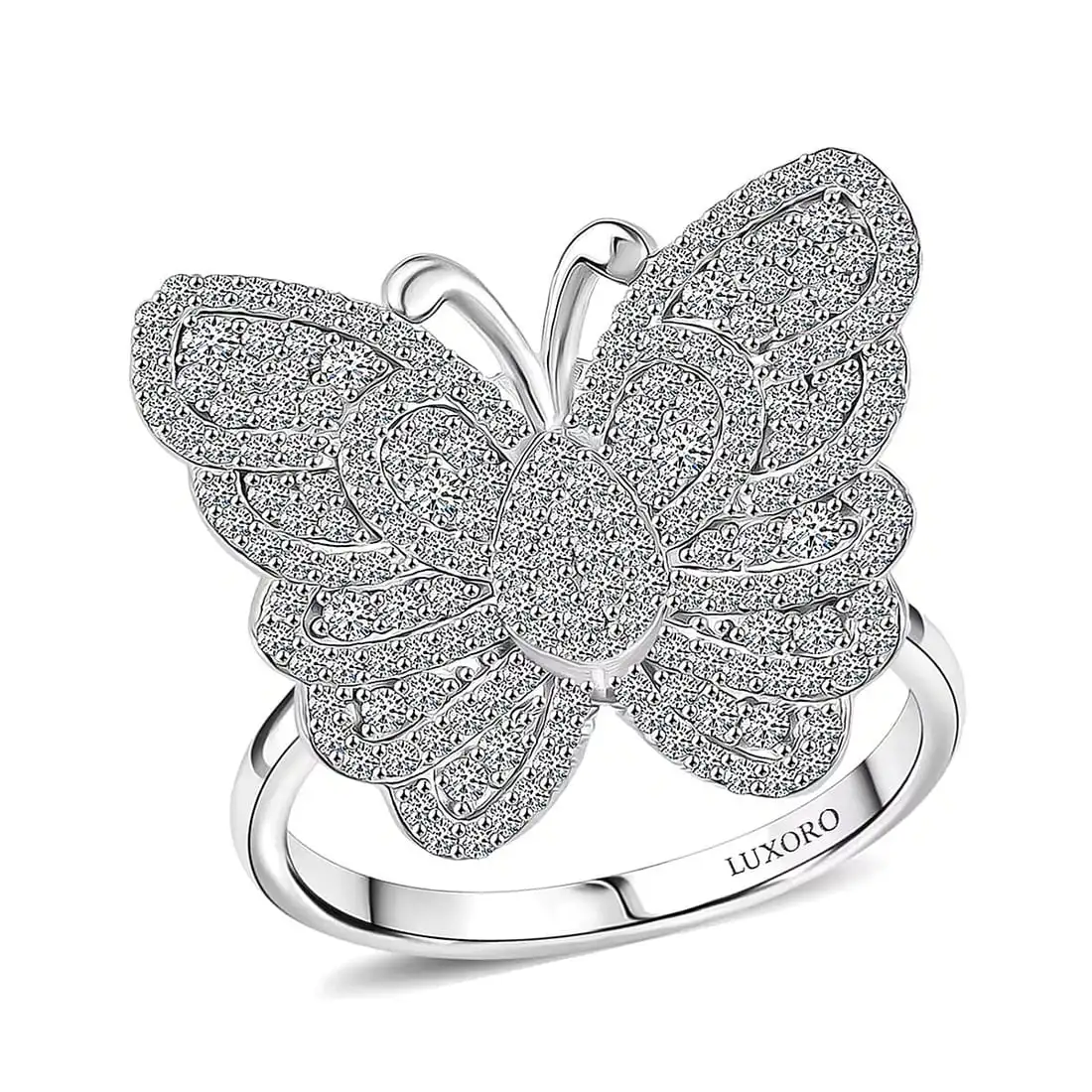
Shop LC is a different kind of store. It sells finished lab-grown diamond jewelry, including IGI-certified rings, earrings and pendants in 10K and 14K gold, platinum and sterling silver, often at sale prices that undercut big-name jewelers. Its Luxuriant lab-grown line runs from small accent pieces to multi-carat solitaires. Some larger pieces are made to order and ship in 10 to 15 days, so check the delivery note on the listing. Shop LC also funds meals for children through its “Your Purchase Feeds” program.
Our full Shop LC review covers its returns, shipping and the gemstone side of the store.
What buyers regret
Reading buyer forums and reviews, the regrets are consistent, and almost none are about how the stones look:
- Treating it as an investment. Jewelers rarely buy lab-grown stones back for more than a small fraction of what you paid.
- Overpaying in a store. Some retailers still price lab-grown stones far above online averages. Compare before you buy.
- Skipping the report. An uncertified “lab diamond” can turn out to be moissanite or a poorly graded stone.
- Buying too big. Cheap carats tempt people into sizes that look out of proportion on the hand.
Who should choose natural instead
Choose a natural diamond if resale value matters, if you’re buying an heirloom meant to pass down, or if the rarity of a mined stone is part of what you’re paying for. Everyone else gets more diamond for the money with lab-grown.
Our take
Lab-grown diamonds are the best value in fine jewelry right now. Buy one because you love it, not to hold value, insist on an IGI or GIA report, put your budget into cut and the setting, and compare a few retailers before paying. For finished pieces on a budget, Shop LC is a sensible place to start.
If you like a big look for less, our Helloice review covers moissanite and iced-out styles, and our Missacc review helps if you’re shopping for the wedding itself. More stores are in our jewelry reviews, and our review method explains how we research what we recommend.