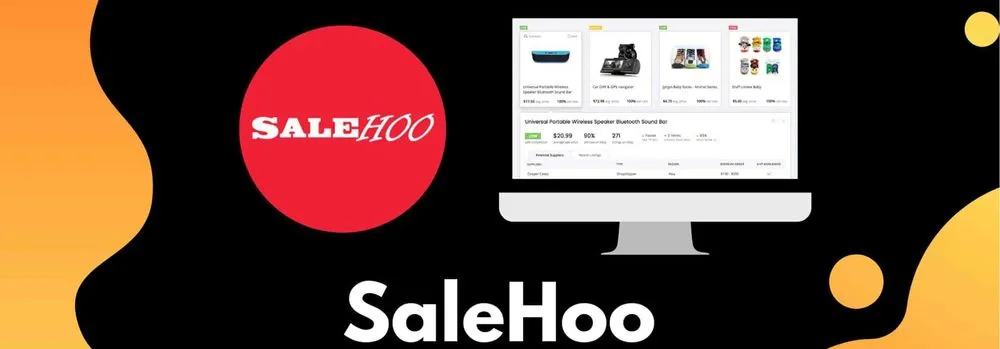
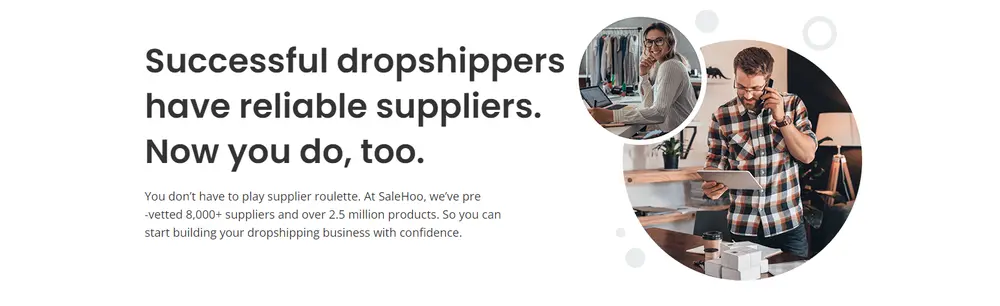
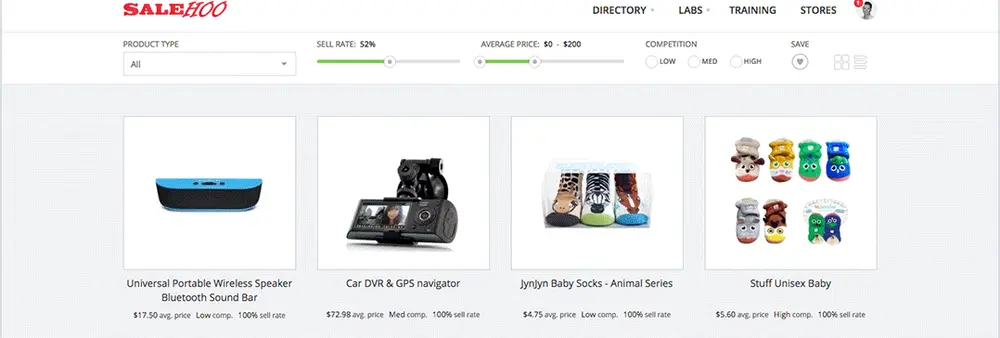
Finding a real wholesale supplier is harder than it looks. Search for “wholesale phone cases” and you’ll wade through middlemen, copycat stores and outright scams. SaleHoo’s answer, since 2005, has been a paid directory of suppliers it has checked, plus a newer dropshipping tool that imports products straight into a Shopify store. The company started in New Zealand and says it now lists more than 8,000 vetted suppliers.
We think it’s good value for beginners who want a safer starting point, and the 60-day money-back guarantee lowers the risk of trying it. It isn’t a shortcut to profit, though. The directory saves research time, but you still have to pick products, negotiate, and run the store. Experienced sellers sometimes find the niche coverage thin.
SaleHoo pricing
SaleHoo sells yearly plans or a one-time lifetime payment. We checked these prices on salehoo.com on October 24, 2026.
| Plan | Yearly | Lifetime (one-time) | Supplier contacts | Product imports | Shopify stores |
|---|---|---|---|---|---|
| Starter | $9/mo, billed annually ($108/yr) | $299 | Up to 100 a month | 200 a month | 1 |
| Pro | $49/mo, billed annually ($588/yr) | $1,699 | Unlimited | 600 a month | Up to 3 |
| Enterprise | $499/mo, billed annually | Contact sales | Unlimited | Unlimited | Multi-store |
Every plan comes with the supplier directory, 24/7 support, a profit calculator, market research reports and access to a community SaleHoo puts at 137,000+ members. Pro adds an Amazon product launch course, 3 sub-users and concierge supplier research. Enterprise adds custom sourcing, a store build and an account manager.
The 60-day money-back guarantee is generous for this category: contact support within 60 days of signing up for a full refund.
The directory vs SaleHoo Dropship
SaleHoo is really two products under one roof.
The Directory is the original. You search by product or category and get supplier profiles with contact details, minimum order quantities, shipping regions and notes from SaleHoo’s checks. You contact suppliers yourself and agree terms. It suits sellers who want to buy wholesale stock, sell on Amazon or eBay, or run their own warehouse.
SaleHoo Dropship connects to Shopify. You pick products from its catalog, import them to your store in a few clicks, and orders are passed to the supplier to ship. It’s built for beginners who want to test products without holding stock.
What you get for the money
- Vetted supplier profiles, which is the main thing you’re paying for
- Market research data to spot products with demand and decent margins
- A profit calculator to factor in costs and fees
- Training courses such as Dropshipping on Shopify
- 24/7 human support and a large seller community
The vetting is the real value. A single scam supplier can cost far more than a year of Starter at $108. Treat the checks as a filter, not a guarantee, and still verify each supplier with a sample order and a small first purchase.
What users complain about
SaleHoo rates about 4.1 on Trustpilot from roughly 460 reviews, and 88% of them are 5 stars. The company replies to negative reviews quickly. The complaints that do appear:
- Thin coverage in some niches, with few or irrelevant results
- Suppliers you could find for free with enough searching
- Directory entries that feel dated in places
- Charges after cancelling, reported by a few users, with SaleHoo saying it refunded at least one case
None of these are dealbreakers, but they’re good reasons to use the 60-day guarantee to test your own niche first.
Before you sell: the rules that apply
Dropshipping and importing come with legal duties that a directory can’t handle for you:
- Shipping promises. The FTC’s Mail, Internet, or Telephone Order Rule guide says you must ship when you promised, or within 30 days if you didn’t say, and notify customers of delays.
- Imports. If you buy wholesale stock from abroad, US Customs and Border Protection explains duties and paperwork in its basic import and export guide.
- Product safety. Children’s products and electronics have extra requirements, so check before listing them.
- Honest claims. Don’t copy a supplier’s marketing claims without checking them.
How to get the most from SaleHoo
- Pick a niche first, then search the directory, not the other way around.
- Order samples before you list anything.
- Contact 3 to 5 suppliers per product and compare prices, MOQs and shipping times.
- Use the profit calculator with real fees, including payment processing and returns.
- Test within 60 days so you can still claim a refund if the directory doesn’t fit your niche.
SaleHoo vs alternatives
| SaleHoo | Spocket | Payhip | Systeme.io | |
|---|---|---|---|---|
| What it does | Supplier directory and Shopify dropshipping | Dropshipping app with US and EU suppliers | Sell digital products and memberships | Funnels, email and courses |
| Starting price | $9/mo billed annually | $39.99/mo | Free plan | Free plan |
| Lifetime option | Yes, from $299 | No | n/a | n/a |
| Best for | Beginners wanting vetted suppliers | Faster shipping from local suppliers | Creators selling downloads | All-in-one marketing |
For dropshipping with mostly US and EU suppliers, our Spocket review covers a strong alternative. If you’d rather sell digital products with no inventory at all, see Payhip. To build funnels and email around your store, our Systeme.io review and ActiveCampaign review help, and Semrush is useful for product keyword research. More tools are in our ecommerce reviews.
Who should skip SaleHoo
Skip it if you already have trusted suppliers, if you sell in a very specialized niche the directory barely covers, or if you want a fully automated “store in a box.” The pros and cons are below.
Our verdict on SaleHoo
SaleHoo is a sensible, low-cost starting point for new online sellers who want vetted suppliers and a guided path into Shopify dropshipping. Starter at $108 a year is cheap insurance against bad suppliers, and the 60-day refund lets you test it properly. Check your niche coverage early and treat it as a research tool rather than a business plan, and it can save a lot of time.
Our review method explains how we research software we haven’t tested hands-on.