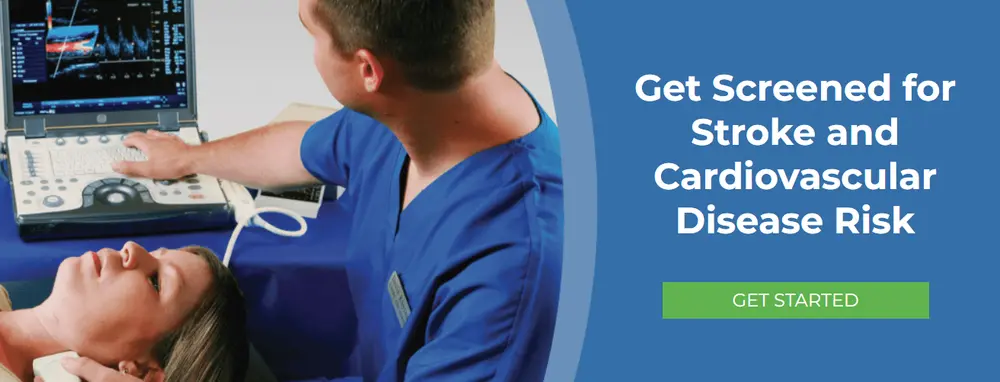
Life Line Screening sets up portable ultrasound and EKG equipment in church halls and community centers and checks you for stroke and heart risks in about an hour, no doctor’s referral needed. Packages start at $99 for a finger-stick blood panel and $186 for the four vascular scans the company is known for. It’s been doing this for 30 years at more than 15,000 venues.
The scans are real and the convenience is genuine. The harder question is whether you should have them at all. US screening guidelines recommend some of these tests for specific people, say there isn’t enough evidence for others, and advise against one of them for most adults. This review covers prices, the process and the complaints, but the most useful section is the one on guidelines. Read it before you book.
Health note: this is general information, not medical advice. A screening result isn’t a diagnosis. Talk to your own doctor about which tests suit your age, history and risk factors, and share any results with them.
Packages and prices
From Life Line Screening’s website, checked October 24, 2026. All packages are self-pay, HSA/FSA eligible, and need no insurance or referral.
| Package | Price | What’s in it |
|---|---|---|
| Chronic Disease Risks Profile | $99 | Finger-stick lipid panel, glucose, hsCRP, blood pressure and a risk questionnaire (6 assessments) |
| Heart Disease & Stroke Risks | $186 | Carotid artery, abdominal aortic aneurysm, peripheral arterial disease and atrial fibrillation screenings |
| Men’s & Women’s Health | $198 | Chronic disease tests plus liver, kidney, hormone and A1C checks (11 assessments) |
| Complete Preventative Care Suite | $297 | All 15 assessments plus a mid-year follow-up |
The OneLife membership adds annual screening and perks such as free osteoporosis and cortisol finger-stick tests, a $30 credit toward an add-on, a live results consultation and priority scheduling. Read its billing terms before you sign up; more on that below.
What happens at the appointment
You book a slot at a nearby venue, usually available within a week. Wear loose clothing, since the technicians need access to your neck, arms and ankles. The vascular scans are painless: gel and an ultrasound wand on the neck and belly, blood-pressure cuffs on the arms and ankles, and stickers for a short EKG. Blood tests are a finger stick. The whole visit takes about an hour.
Results appear online within about 10 days. Life Line says its AFib, aortic aneurysm and carotid results are reviewed by a licensed, board-certified physician, and you’re contacted if something needs attention.
What the guidelines say about each test
The US Preventive Services Task Force (USPSTF) is the independent panel whose grades shape what doctors recommend and what insurers cover. Its current recommendations line up with Life Line’s $186 package like this:
| Screening | USPSTF position for adults without symptoms |
|---|---|
| Abdominal aortic aneurysm | Recommended once for men 65 to 75 who have ever smoked (grade B); selective for men who never smoked |
| Carotid artery stenosis | Recommended against for the general adult population (grade D) |
| Peripheral artery disease (ankle-brachial index) | Evidence insufficient (I statement) |
| Atrial fibrillation (adults 50+) | Evidence insufficient (I statement) |
The USPSTF’s carotid recommendation explains the reasoning: in people without symptoms, screening can produce false positives that lead to further imaging and sometimes surgery, with risks of their own. “Insufficient evidence” for PAD and AFib means the task force couldn’t tell whether benefits outweigh harms, not that the tests are useless.
So who might benefit? The clearest case is an older man who has smoked, for whom the USPSTF aortic aneurysm guidance backs a one-time ultrasound. Medicare covers that scan too, with a referral, if you meet its criteria. People with several risk factors, such as diabetes, high blood pressure, high cholesterol, smoking or a strong family history, have more reason to discuss vascular screening with a doctor than someone healthy at 45.
We’d take this approach: pick the one or two tests that match your risk, ideally with your doctor’s input, rather than the biggest bundle.
Is it worth $186?
For the right person, yes. Getting an abdominal ultrasound and carotid scan through a hospital can mean a referral, a wait and a bill that depends on your insurance. Life Line gives you a flat price, a local appointment and results in about 10 days. Several of its customers say the findings gave them something concrete to take to their doctor.
For a low-risk adult with no symptoms, the value is weaker. A normal result offers comfort that guidelines say you didn’t need, and an abnormal one can start a chain of follow-up tests. That isn’t a reason to never screen. It’s a reason to screen on purpose.
What owners complain about
Reviews are mixed. Life Line averages about 4.2 stars across nearly 2,000 BBB customer reviews, and around 3.5 on ConsumerAffairs. The positive reviews talk about friendly technicians, short visits and fair prices. The complaints follow a pattern:
- Sales pressure. Customers describe persistent phone calls and mailers, and pushes to upgrade to a bigger package or add tests during booking.
- Membership billing. Some say recurring OneLife charges were hard to cancel or weren’t clearly explained.
- Results. A minority report late results or trouble reaching anyone to explain them.
Our advice: decide what you want before you call, say no to add-ons you didn’t plan for, and get any membership terms in writing.
Life Line Screening vs Everlywell and your own doctor
| Life Line Screening | Everlywell | Your doctor | |
|---|---|---|---|
| What it does | In-person ultrasound, EKG, finger-stick blood | At-home lab kits by mail | Guideline-based screening and referrals |
| Imaging | Yes | No | By referral |
| Cost | $99 to $297, self-pay | Per kit | Insurance, often covered if recommended |
| Best for | Vascular scans without a referral | Blood tests from home | Deciding what you need |
If you only want blood work, an at-home kit may be simpler; our Everlywell review covers how those work. For more options, see our health testing reviews and the wider health section, which also includes recovery products like Osaki massage chairs.
Who should skip Life Line Screening
Skip it if you’re under 50 with no risk factors, if your doctor has already advised against these tests, or if you dislike sales calls, because you’ll probably get some. The pros and cons are summed up below this review.
Our verdict on Life Line Screening
Life Line Screening makes vascular ultrasound cheap, local and fast, with physician review on its key scans and HSA/FSA eligibility. Used well, by an older adult with real risk factors who picks the right tests, it’s a good service. Used as a catch-all checkup for healthy people, it runs into the evidence. Choose with your doctor, skip the upsells, and it can be money well spent.
Our review method explains how we research health services using published guidelines and customer records.